
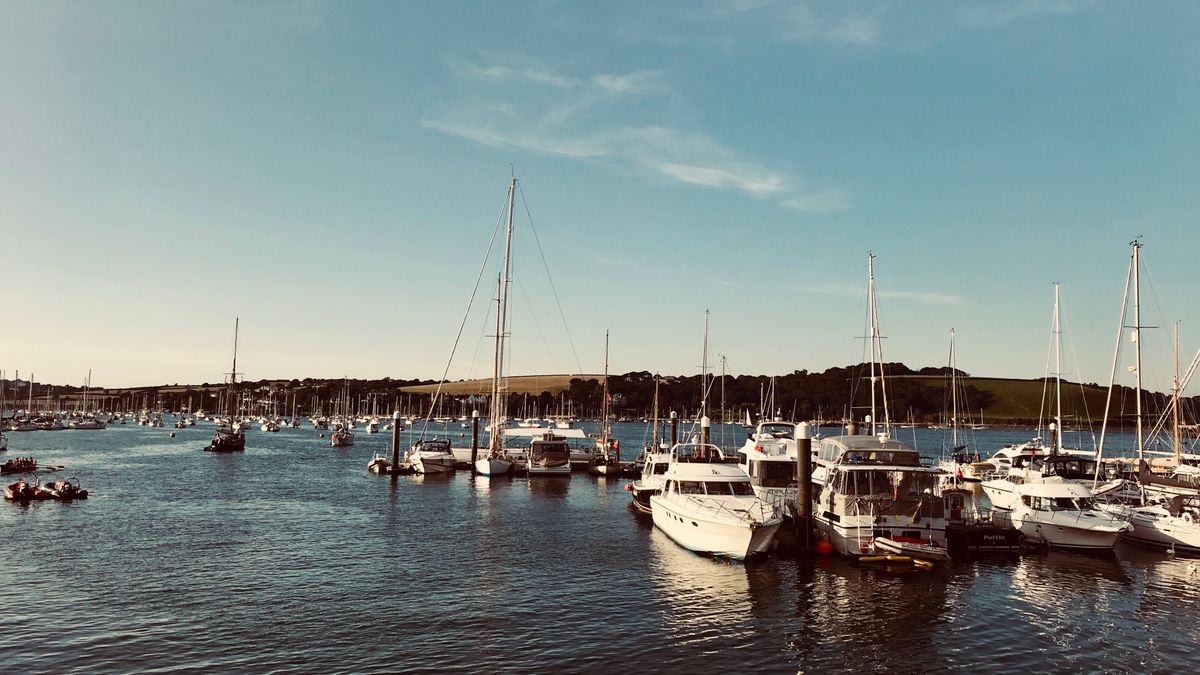
Small harbour towns are not shopping destinations in the conventional sense. There is rarely a pedestrianised high street with the same three brands you find everywhere else. What you get instead is a tight cluster of streets that grew up around the quay, and a set of shops whose stock, opening hours and conversation are shaped by the water a few yards away. The rewards come to those willing to wander rather than tick off a list.
The trick is to time your visit with the harbour's own rhythm. Fishing boats land early, the tide dictates when half the town is busy, and many independent owners will happily shut for an hour if the weather turns fine. Arrive mid-morning, after the first landing but before the lunchtime rush, and you will find shopkeepers with time to talk.
Every working harbour needs a chandler, and even in towns where the fishing fleet has shrunk, the chandlery tends to survive. Step inside and you will find walls of galvanised shackles, coils of rope sold by the metre, tins of antifoul, brass cabin fittings and a bewildering range of torches. It smells of paraffin, rubber and old rope, and it is the single best place to understand what the harbour actually does for a living.
Ask the owner what sells fastest and you will get an instant economic summary of the place. If it is pot buoys and trawl netting, the fleet is still working. If it is mooring lines, fenders and varnish, you are looking at a harbour that has shifted towards leisure craft. Many chandlers keep a small noticeboard by the till too, pinned with tide tables, mooring notices and cards from local boatyards and riggers — a genuinely useful thing to photograph before you head out on the water.
The bakery is where the harbour's working day becomes visible. Doors open long before the galleries do, and the queue is a cross-section of the town: deckhands in oilskins, yacht crews stocking up, dog walkers, and a couple of people who have clearly come straight from a night shift. Pasties, saffron buns, lardy cake and seedy loaf are regional markers as much as they are breakfast.
Ask what time the bread comes out rather than what time they open. In smaller towns, the two are rarely the same, and the first tray of the morning is worth planning around. Many of these bakeries also supply the harbour's cafés and the odd boat galley, which tells you the quality is holding up even if the town's visitor numbers are not.
The interesting galleries are almost never on the waterfront itself, where rents are highest and the work is safest. Walk one street back, or follow a sign down a passage beside a boat shed, and you will find studios in former net lofts, smokehouses and sailmakers' workshops. Look for hand-thrown pottery glazed in colours drawn from the local geology, prints of harbour walls and breakwaters, and jewellery made from beachcombed sea glass and reclaimed copper.
These are usually owner-run. The person at the till made much of what is on the shelves, and will tell you exactly which beach the glass came from or which boat the timber was salvaged from. That direct line between a place and an object is the whole point, and it is something a chain gift shop cannot replicate, however neat its displays.
A harbour town's history is legible in its retail mix if you know what to look for. A former chandlery now selling candles and cushions signals a shift from working port to second-home economy. A bakery that has expanded into the unit next door suggests a year-round population holding steady. A gallery with a sign saying it opens "Easter to October" tells you the town empties in winter.
Owners tend to be candid about this. Ask how long they have been there and how the harbour has changed, and you will often get an honest account of declining fish landings, rising mooring fees, or a new pontoon that brought a different kind of visitor. It is local history told without a museum label, and it is worth more than any guidebook paragraph.
Harbour-town shopping works best on foot and without a schedule. Park at the edge of town, because quayside parking is usually restricted and often needed by working boats. Wear something you do not mind getting salt on, and carry cash — a surprising number of small chandlers and studios still prefer it, and card machines lose signal behind thick stone walls.
Above all, treat the shopkeeper as a source rather than a till. In a small harbour town, they are usually the best-informed people you will meet all day, and the conversation is half the reason to go.

Hi, my name is Anthony kuber. I am artist and fashion designer.
I love to travel and writing blogging.
Your email address will not be published. Required fields are marked *
Software Developer & Writer
Hey, I'm Diva, a developer and writer blending code and creativity. I'm driven by a deep curiosity and a relentless pursuit of excellence. Join me as I craft digital solutions and captivating stories.


