
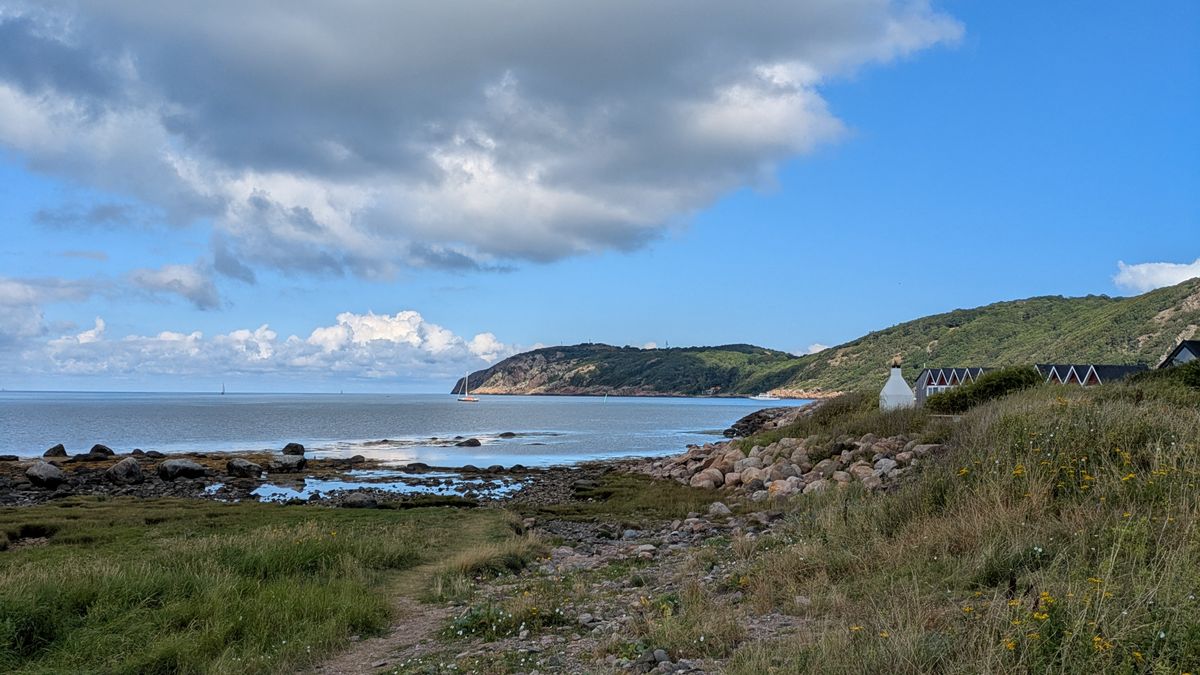
Walk along almost any stretch of the British coast and you will find them: squat stone boathouses with tall, wide doorways, watch houses perched on the headland above, and long granite slipways running like a ramp into the sea. They were built for a single, urgent purpose — getting a boat into heavy water in minutes — and that purpose has shaped every detail, from the height of the doors to the greased timber ways underfoot.
Many fell out of use as boats grew larger, as stations merged and as the rescue service modernised. Some were demolished, some became boat sheds or garages, and some simply sat and decayed within sight of the sea that had once been their reason for existing. What has saved a good number of them is not institutional money but local stubbornness: small groups of volunteers who decided that a building with that much history in it deserved better than another decade of salt and neglect.
Boathouse repair is not the same as house repair, and the volunteers who do it well tend to learn that early. The main enemies are salt, wind-driven rain, condensation and, above all, the wrong materials used in a previous repair.
Before any of that, record everything. Photographs, measured drawings, notes on what is original and what was added later. That survey is what funders want to see, and it is what stops well-meaning repairs from quietly erasing the evidence of how the building worked.
The slipway is often the most expensive part of a project and the most easily overlooked. Granite setts shift; the greased ways rot; the rails rust; the winch house loses its roof. Water draining off the ramp will find any weakness, and a slipway that has become a trip hazard or a mudslide is a liability rather than an asset.
Work on structures below the high water mark needs care and a marine licence, and the foreshore may belong to someone other than the landowner above it. Practical steps: clear weed and loose stone, re-bed setts in lime or a sympathetic mortar, re-grease or replace the timber ways, treat the rails, and get a structural engineer who has seen a slipway before rather than one who has only seen car parks. If a cradle or carriage survives, treat it as a museum object — it is often the last of its kind.
A restored boathouse with no interpretation is just a shed. The people who crewed the boats, and the families who waited, hold the part of the heritage that cannot be repointed or re-roofed.
Most old lifeboat stations are listed, sit in a conservation area, or both. Listed building consent is needed for alterations, sometimes for repairs, and always for anything visible from the road or the sea. Add public liability insurance, risk assessments for open days, safeguarding for school visits, and a written scope of works agreed with a conservation officer before a single stone is lifted. It sounds bureaucratic, and it is, but it prevents the nightmare of being ordered to undo a year of hard-won progress.
Funding usually arrives in layers: lottery heritage grants for capital works, charitable trusts for specific items such as a winch or a memorial, and steady local fundraising for everything else. Open days, talks, book sales and membership schemes do more than raise money — they build the constituency that will defend the building in twenty years' time.
The best restorations give the building back a job. A boat hall that stays open and unpartitioned makes a superb small museum or community room; the slipway becomes a place to stand and understand, in your own legs, what a launch in a December gale actually meant. Keep the big doors, keep the view of the water, keep the smell of the place.
Get a few people trained to give tours, put up plain, well-written boards, and open regularly rather than only on heritage weekends. Host an annual wreath-laying. Let schools in. A lifeboat station that is used, maintained and known by its community is the one most likely to be there for the next generation — and that is the whole point of keeping it.

Hi, my name is Anthony kuber. I am artist and fashion designer.
I love to travel and writing blogging.
Your email address will not be published. Required fields are marked *
Software Developer & Writer
Hey, I'm Diva, a developer and writer blending code and creativity. I'm driven by a deep curiosity and a relentless pursuit of excellence. Join me as I craft digital solutions and captivating stories.


