
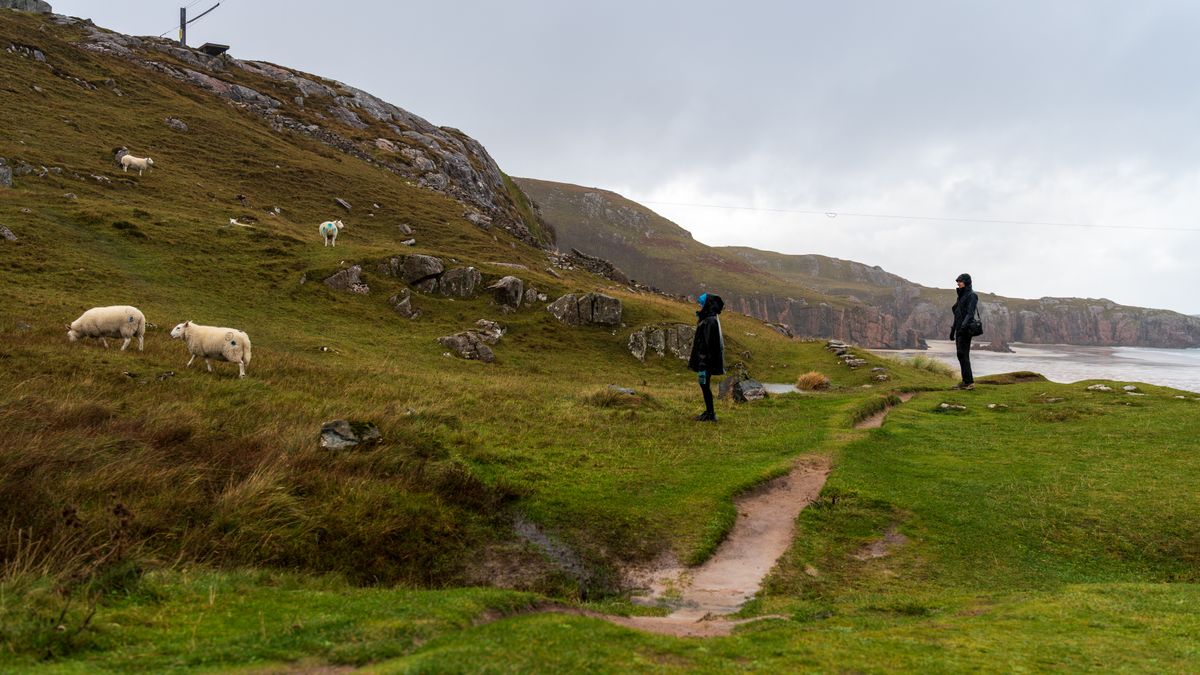
There is nothing quite like a British coastal market on an early morning. Gulls wheeling over slate roofs, crates of ice glinting on the pontoon, the low rumble of a harbour tractor, and the smell of salt and diesel that clings to a thick jumper for the rest of the day. Whether you are in a Cornish harbour town, a Scottish fishing village, a Northumberland quayside or a Kentish coastal market, the stall in front of you is the last link in a long chain that starts with someone hauling gear at first light.
Buying fish here is a pleasure, but it is also a decision. Every purchase nudges the fortunes of a fishing family and the health of the seabed they work. The good news is that you do not need a marine biology degree to choose well. You simply need to ask three things: how was it caught, is it in season, and who landed it. Most fishmongers, skippers and quayside stallholders are delighted to talk about it — it is their livelihood, and they would far rather answer questions than watch you walk away confused.
Two fillets of the same species can have very different stories depending on how they were taken. Catch method shapes everything: the condition of the fish, the amount of unwanted bycatch, the disturbance to the seabed, and the fuel burned to bring it ashore.
A simple rule: the more targeted the gear, the less waste. If a stallholder can tell you the boat name, the port and the method without hesitation, that is a very good sign indeed.
We have grown used to every fish being available every week of the year, but British waters have their own rhythms. Eating seasonally means you are buying fish at its plumpest, cheapest and most abundant — and often at a moment when the stock can comfortably spare it.
If something looks tired, expensive or out of character for the time of year, ask why. There is usually a straightforward answer — a closed area, a spawning season, or simply a lean month for the boats.
UK fisheries are managed through a mix of quotas, minimum landing sizes, closed areas and spawning closures. Quota is the headline figure: the share of a stock that may be landed in a year. It is set scientifically but negotiated politically, and it is divided between larger vessels and the under-ten-metre fleet — the day boats and family crews that make up the character of so many of our harbours.
Ask which part of the quota the boat is fishing, and whether they are close to the end of it. When a fishery nears its limit, boats may switch target or tie up entirely, and a gap on the stall is honest information rather than poor service. Where discarding has been replaced by a landing obligation, undersized or unwanted fish must be brought ashore — which has changed what appears on ice and made smaller, lesser-known species far more common.
Below the headline quotas sit local rules: minimum sizes, gear restrictions, seasonal closures on spawning grounds, and protected areas where towed gear is not permitted at all. These vary enormously around our coast, which is exactly why the person behind the stall is your best source. They know the local byelaws the way a gardener knows their own soil.
Once you have chosen well, look after your purchase. Ask for it packed on ice, keep it cold on the journey home, and cook it within a day or two — or freeze it promptly if you cannot. Whole fish stay fresher than fillets, so consider taking one home entire and doing the work yourself. Mackerel, herring and sardines are at their finest within hours; white fish will happily wait until tomorrow.
Buying from a coastal market is, in the end, an act of quiet support. You are paying the skipper rather than a middleman, keeping a harbour alive, and rewarding the fishing practices you want to see continue. Ask your questions kindly, buy what is plentiful, and take the advice you are offered. The reward is a better supper, a healthier sea, and a small stake in the working life of the British coast.

Hi, my name is Anthony kuber. I am artist and fashion designer.
I love to travel and writing blogging.
Your email address will not be published. Required fields are marked *
Software Developer & Writer
Hey, I'm Diva, a developer and writer blending code and creativity. I'm driven by a deep curiosity and a relentless pursuit of excellence. Join me as I craft digital solutions and captivating stories.


