
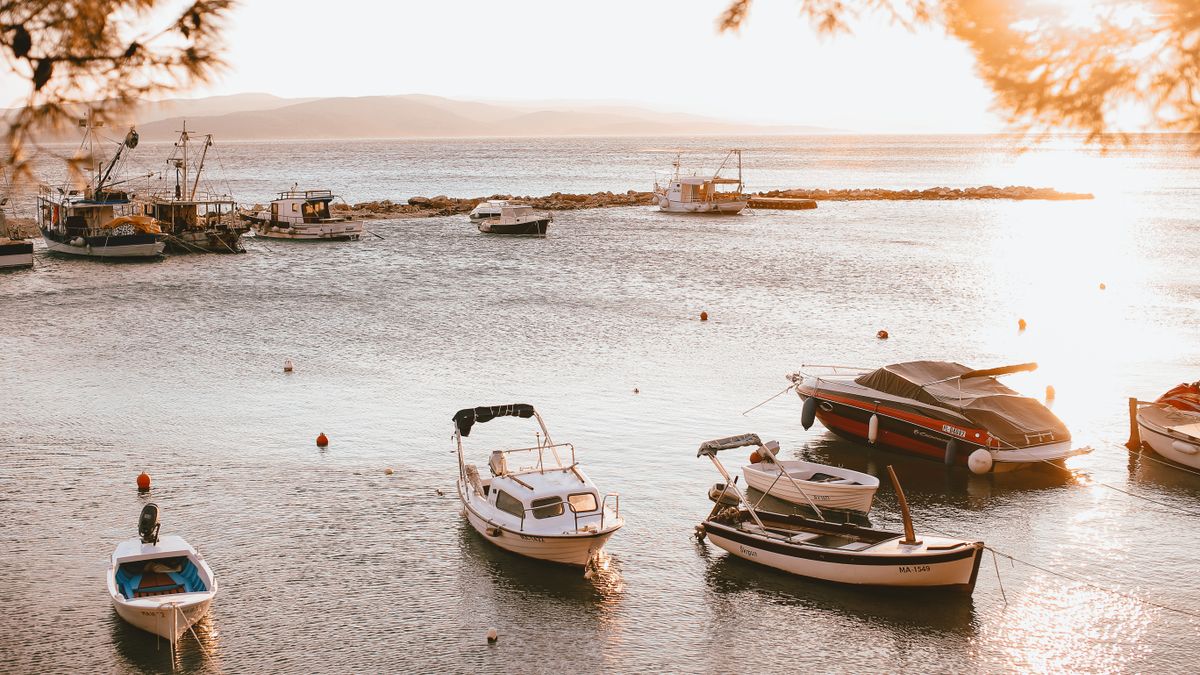
There is something quietly satisfying about a small boat bobbing at its mooring on a bright British morning. The tide is making, the gulls are arguing over something on the pontoon, and the day stretches ahead. But coastal waters around our islands are not the sheltered lake or canal many of us learned on, and a little preparation goes a long way towards making sure the day ends with a pint rather than a lifeboat launch.
Whether you keep a 14-foot dinghy on a trailer or a small cabin cruiser on a swinging mooring, the routine is broadly the same. Walk round the boat the day before, not the morning of, so you have time to fix what you find. What follows is the checklist I have refined over years of launching into the Solent, the Bristol Channel and the colder, craggier stretches further north.
Start with the hull itself. Run a hand along the waterline and look for blisters, cracks, or that tell-tale crazing in gelcoat. On a GRP boat, small osmotic blisters are common and often harmless, but anything deep enough to catch a fingernail needs attention before you launch. On a wooden hull, check for softness around fastenings and along the garboard strake – the plank next to the keel – where fresh water tends to sit.
Then work through every opening that could let the sea in:
Check the standing rigging on a sailing boat for broken strands or rust weeping from swaged terminals. On a motorboat, look at the engine mounting bolts and the condition of the transom where the outboard clamps on. A transom that flexes under hand pressure is a warning sign.
Most coastal call-outs come down to engine trouble, and most engine trouble comes down to fuel. Fresh petrol or clean diesel, a clean filter and a charged battery will prevent the majority of breakdowns.
For an outboard, run it on muffs at home before you go. Check the tell-tale stream of cooling water is strong and steady. Replace the impeller if it has been more than two or three seasons – it is a cheap part that fails at the worst moment. Inspect the fuel line and primer bulb for cracking, and empty any water separator into a glass jar so you can see what is in it.
Inboard diesel owners should check the raw water strainer, the impeller, and the condition of the alternator belt. Top up the coolant and check the oil level. Then start the engine and let it run for ten minutes under load if possible, watching the temperature gauge and listening for anything that sounds like a change in rhythm. Carry spare filters, a spare impeller and the tools to change them.
Whatever your propulsion, check the battery with a multimeter. Anything below 12.4 volts at rest is part-discharged, and a battery that will not hold a charge above 12.6 volts is on its way out.
Safety kit is only useful if it is on board, in date and reachable in a hurry. Lifejackets stored in a locker under a pile of fenders may as well be ashore. Keep them accessible, and check gas cylinder indicators and crutch straps each season.
Check the weather forecast properly, not just the symbol on a phone app. Look at inshore waters forecasts, wind speed and direction, tide times and heights, and the sea state. A force four from the south-west on a spring ebb can be deeply unpleasant in a small open boat, even when the sun is shining.
This is the single most important habit of a coastal boater. Before you cast off, tell a responsible person ashore where you are going, roughly what route you intend to take, how many people are on board, and when you expect to be back. Give them a phone number to call if you are not back within an hour of your stated time. A quick text to a spouse, a friend or the harbour office takes thirty seconds and transforms a search from guesswork into a targeted operation.
If you carry a VHF radio, a short call to the coastguard on channel 16 to log a passage plan is often appreciated, particularly on longer or more exposed stretches. It costs nothing and it means someone is keeping half an eye on you.
The mark of a well-prepared boat is not just that it leaves the pontoon cleanly, but that it returns the same way. Keep an eye on the weather throughout the day, because British coastal conditions can change within an hour. Check your fuel level against the return trip with a generous margin – a third out, a third back, a third in reserve is a sound rule. Approach your mooring or slipway with the tide and wind in mind, and take your time.
Small boat ownership is one of the great quiet pleasures of living beside the British coast. A little methodical attention before each trip means more days afloat, fewer surprises, and a far better chance that the only thing you bring home with you is the smell of salt and a good story.

Hi, my name is Anthony kuber. I am artist and fashion designer.
I love to travel and writing blogging.
Your email address will not be published. Required fields are marked *
Software Developer & Writer
Hey, I'm Diva, a developer and writer blending code and creativity. I'm driven by a deep curiosity and a relentless pursuit of excellence. Join me as I craft digital solutions and captivating stories.


