
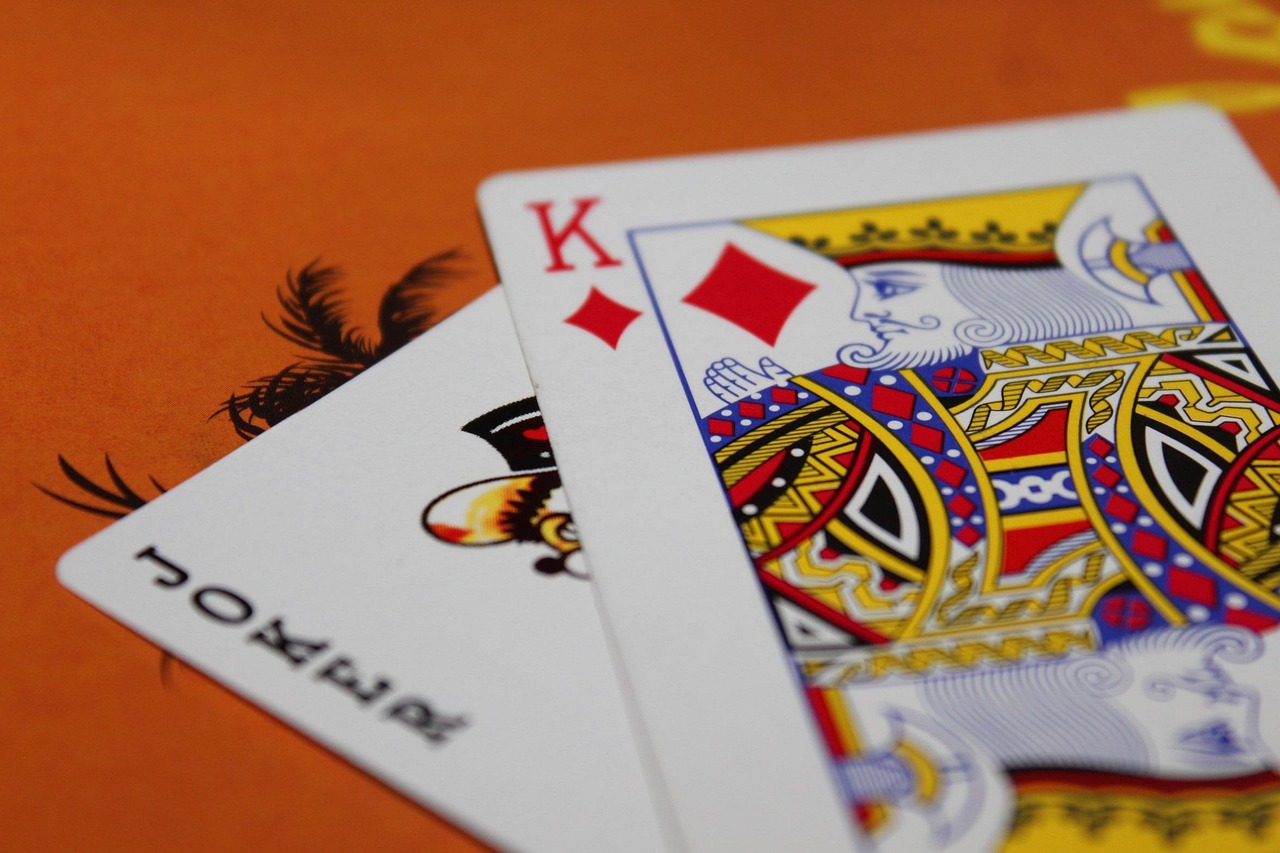
You're staring at a 5x3 grid, the reels are spinning, and you just know the next spin is the one. Meanwhile, the casino's profit margin on that machine is quietly ticking along at 2–10% per spin. That tension between hope and hard math is the entire emotional engine of iGaming. And if you want to actually enjoy this world—slots, poker, sports betting, whatever—you need to understand both sides of that equation.
I've spent years watching players chase jackpots without knowing what an RTP is, and I've seen poker pros grind out a living by respecting variance. The difference isn't luck. It's literacy. Let's fix that.
Slots are simple to play and brutally hard to understand intuitively. Every modern slot has a Return to Player (RTP) percentage—say 96%. That means over millions of spins, the machine pays back 96% of all money wagered and keeps 4%. But here's the catch: that 96% is calculated over an infinite timeline. In a two-hour session, your personal result can swing wildly.
Consider a 96% RTP slot with high volatility. You could hit a 500x multiplier on spin 20 and walk away up big, or you could lose 80% of your bankroll in the same number of spins. Low-volatility slots pay smaller, more frequent wins. High-volatility slots are feast or famine. Neither is 'better'—they just suit different temperaments and bankroll sizes.
One concrete tip: never chase a slot because it 'feels due.' Each spin is independent. The machine doesn't know you've lost ten in a row. The only thing that changes over time is your bankroll, and only you control that.
Poker is different. You're not playing against the casino; you're playing against other people. The house takes a small cut (the rake), but a skilled player can win consistently. The key concept is expected value (EV). Every decision—fold, call, raise—has a long-term average outcome. Good players maximize EV; bad players chase draws without pot odds. สล็อตเว็บตรง is a solid starting point for anyone new to this.
Take a flush draw on the turn. You have nine outs, roughly 18% chance to hit on the river. If the pot is $100 and your opponent bets $20, you're getting 6:1 pot odds. You need 5.5:1 to break even on the call, so calling is +EV. If they bet $50, you're getting 2.5:1 and should fold. That's the kind of math that separates winners from donators.
But poker isn't just math. It's exploitative—you adjust to opponents. A player who never bluffs can be folded against easily. A player who bluffs too much can be called down with mediocre hands. The best players switch between game theory optimal (GTO) and exploitative play based on reads.
Sports betting feels more 'knowable' than slots. You watch football, you know the teams. But the bookmaker's edge is built into the odds—typically 4–6% on standard bets. A point spread of -110 on both sides means you need to win 52.4% of your bets just to break even. That's a razor-thin margin.
Sharp bettors look for line movement. If a line opens at -3 and moves to -6, big money is on the favorite. They also hunt for arbitrage and positive EV opportunities—promotions, boosted odds, or stale lines. But recreational bettors rarely have the bankroll or discipline to grind out a profit. For most, betting is entertainment, and the house edge ensures the casino wins over time.
One data point: In 2023, regulated US sportsbooks reported a hold percentage of roughly 7–10% on all wagers. That means for every $100 bet, the book keeps $7–10 on average. You're not beating that without serious work.
Whether you're spinning slots, playing poker, or betting on the Premier League, bankroll management is non-negotiable. The goal isn't to win big once; it's to survive long enough for variance to even out.
Poker pros often use a 100 buy-in rule for cash games. Slots players should think in terms of 200–300 spins per session to have a reasonable chance of hitting a bonus. Sports bettors typically risk 1–2% of bankroll per play.
Casinos and online platforms are engineered to keep you playing. Near misses—two jackpot symbols and a third just off the payline—trigger the same dopamine response as a win. Losses disguised as wins—where a spin returns less than your bet but still plays celebratory sounds—confuse your brain into thinking you're ahead.
Slot machines use variable ratio reinforcement, the same schedule that makes gambling addictive. You never know which spin will pay, so you keep pulling the lever. Online casinos add autoplay, quick spins, and no breaks. It's not an accident.
The defense is awareness. Set a timer. Play with cash, not credit. And never play to escape stress—that's when the house edge feels like a personal attack.
The smartest people in iGaming aren't the ones who hit a 10,000x jackpot. They're the ones who understand that every game has a cost, and they decide upfront whether that cost is worth the entertainment. Slots are a rollercoaster with a ticket price. Poker is a skill game with a rake. Sports betting is a math puzzle with a built-in tax.
If you treat iGaming as a form of paid entertainment—not an income stream—you'll enjoy it more and regret it less. And if you ever feel like you're playing to get even, stop. The math will always win that fight.

Hi, my name is Anthony kuber. I am artist and fashion designer.
I love to travel and writing blogging.
Your email address will not be published. Required fields are marked *
Software Developer & Writer
Hey, I'm Diva, a developer and writer blending code and creativity. I'm driven by a deep curiosity and a relentless pursuit of excellence. Join me as I craft digital solutions and captivating stories.


