
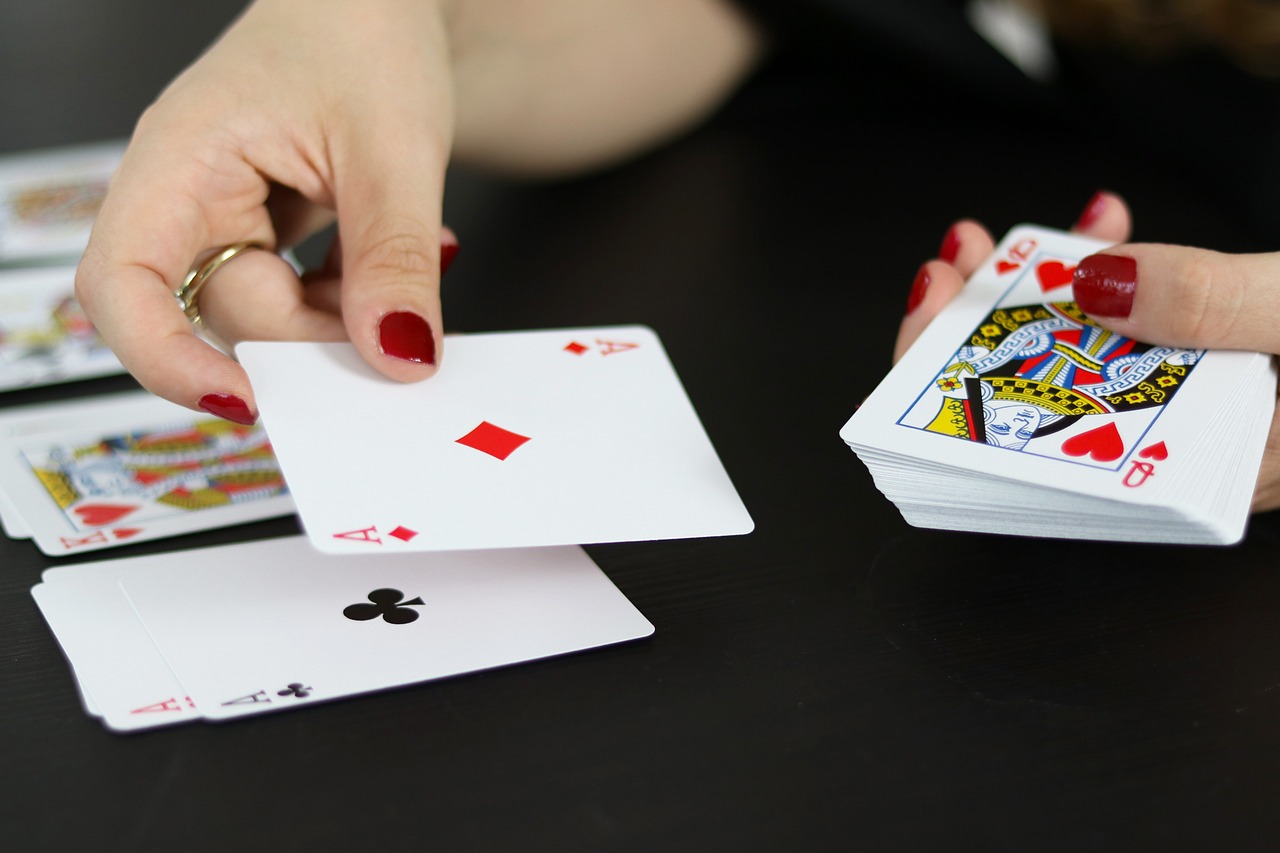
Most casino advice is noise. You'll hear about hot streaks, cold tables, and systems that supposedly beat the house with nothing but gut feeling. Some of it is harmless fun. Most of it is expensive nonsense. But there's one corner of the casino floor where math genuinely works in your favor — or at least, dramatically reduces the house's edge — and it comes down to a single sheet of paper: the blackjack basic strategy chart.
This isn't a gimmick. It's the result of millions of simulated hands run by mathematicians and computer scientists since the 1960s. If you play blackjack and you're not using it, you're handing the casino an extra one to two percent of every bet you make. Over a long session, that gap buys their comps and your regrets.
Blackjack is unusual among casino games because the player's decisions affect the outcome. In roulette or slots, your choice is just which bet to place. In blackjack, every hit, stand, double, or split changes your long-term expected value. Basic strategy is simply the set of decisions that maximizes your expected return for any given hand against any given dealer upcard.
The numbers are striking. A player using no strategy at all — just guessing — faces a house edge around 2% to 4% depending on the table rules. A player using basic strategy correctly cuts that to roughly 0.5%. On a $25 average bet playing 60 hands an hour, that's a difference of somewhere between $30 and $50 per hour in expected loss. That's not pocket change.
What basic strategy does not do is guarantee you'll win on any given night. Variance still rules short sessions. But over hundreds of hands, the math takes over, and playing correctly is the difference between bleeding slowly and bleeding fast. Further details are available through บาคาร่า.
The full basic strategy chart covers every possible combination of your hand versus the dealer's upcard. You don't need to memorize it all at once. Start with these principles:
That's the backbone. The full chart has some nuance — like hitting 12 against dealer 2, or standing on 16 against dealer 7 — but you can play a near-optimal game with just those rules above.
Watch a blackjack table for twenty minutes and you'll see the same errors repeated by people who genuinely think they know what they're doing.
Not all blackjack games are created equal, and basic strategy assumes reasonable rules. Before you sit down, check the felt:
A 6:5 blackjack game with dealer hits soft 17 and no double after split can carry a house edge above 2% even if you play perfect basic strategy. Find a better table.
Online casinos have made blackjack more accessible and often more transparent. Many platforms offer basic strategy tutorials, and some even let you toggle a hint feature that suggests the correct play in real time. Use those. They're not cheating — they're education.
At the same time, the online space is flooded with variations: Blackjack Party, Live Blackjack, Free Bet Blackjack, and dozens of others. Some are genuinely player-friendly. Others bury a worse house edge behind a flashy interface. The basic strategy chart still applies to most, but check the rules first.
If you're coming from slots or poker, blackjack offers something rare: a game where your decisions measurably matter. Poker has edge through skill, but it's a grind against other players. Slots are pure chance. Blackjack sits in a middle ground where a little study genuinely bends the math.
Print the chart. Tape it to your monitor. Play a few hundred hands for free at low stakes until the decisions feel automatic. The goal isn't to beat the casino — that takes card counting and a lot of discipline. The goal is to play the best possible game with the rules you're given, so the only thing you're really risking is variance, not ignorance.
The math is on the chart. The rest is just showing up and not second-guessing it when the dealer draws a five-card 21. That's not bad luck. That's the game. Play smart, and let the numbers take care of themselves.

Hi, my name is Anthony kuber. I am artist and fashion designer.
I love to travel and writing blogging.
Your email address will not be published. Required fields are marked *
Software Developer & Writer
Hey, I'm Diva, a developer and writer blending code and creativity. I'm driven by a deep curiosity and a relentless pursuit of excellence. Join me as I craft digital solutions and captivating stories.


