
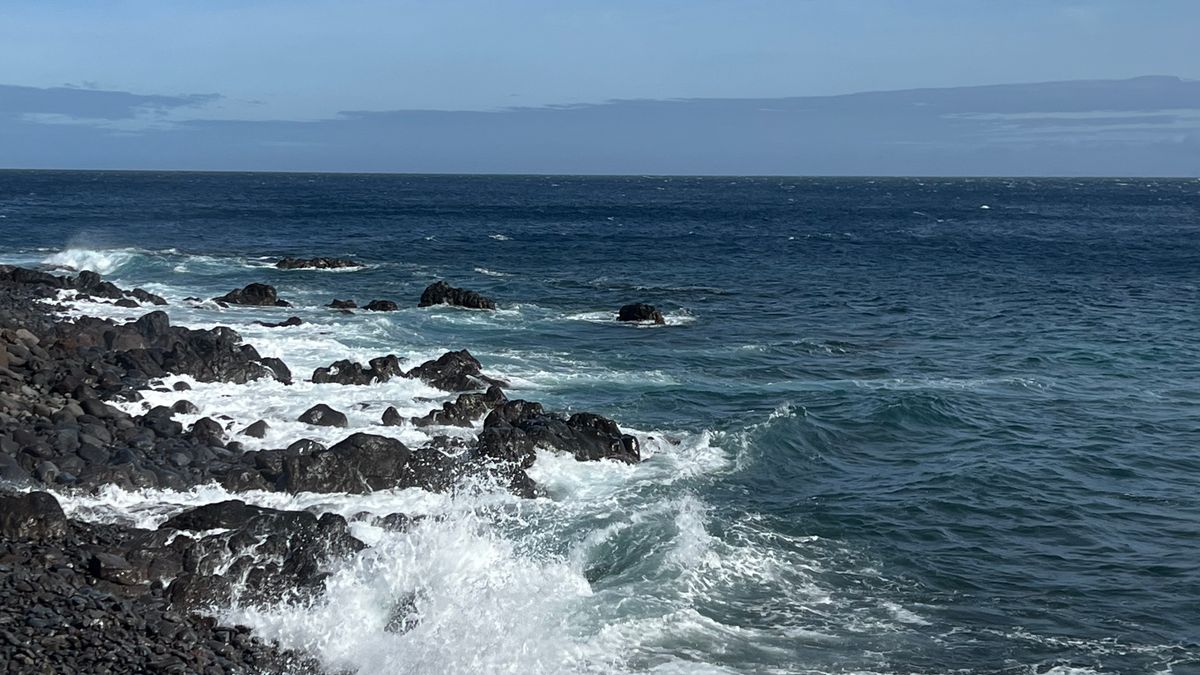
Anyone who has tried to grow roses on a Cornish headland or a Welsh sea wall will know the truth of it: salt is a gardener's quiet enemy. Spray whipped up by an onshore gale can carry several hundred metres inland, settling on leaves and drawing moisture out through their surfaces. The result is scorched, blackened margins, bud drop and shrubs that never quite recover. Add thin, free-draining soil, relentless wind and full sun, and you have conditions that defeat most of what the garden centre sells.
The answer is not to fight the site but to plant what the coast itself provides. Britain's cliff tops, shingle banks and saltmarshes are home to a small, tough community of plants that have evolved to cope with precisely these conditions. They are not merely survivors, either. In June, a sea thrift cushion in full flower, backed by white campion and the grey-green umbels of rock samphire, is as good a piece of planting as any border inland.
Sea thrift (Armeria maritima) is the signature plant of the British coast, and it earns its place in any exposed garden. It forms tight evergreen cushions of narrow, dark green leaves, from which stiff wire stems rise in late spring, each carrying a dense globe of pink flowers through May and into July. Left alone, the cushions knit together and soften the edges of paths, steps and stone walls.
Thrift succeeds where little else will because it tolerates salt, wind and drought, but it does insist on drainage. Plant it in gritty, open ground — a mix of coarse sand, grit and a little garden compost is ideal — and avoid any hollow where water sits in winter. A top dressing of horticultural grit around the collar keeps the foliage dry and prevents the rot that claims so many cushions in a wet January. Lift and divide clumps every three or four years in early spring to keep them dense and floriferous; old specimens go woody and hollow in the centre.
Sea campion (Silene uniflora) is a sprawling, ground-hugging perennial with grey-blue leaves and nodding white flowers that appear from June to August. Unlike its inland relative, it has no scent worth speaking of, but it makes up for that in stamina. On shingle and cliff ledges it carpets bare ground quickly, and it will happily tumble over a low wall or spill across gravel.
It is short-lived by nature — three to five years is typical — so allow it to self-seed among neighbouring plants rather than treating it as a permanent fixture. Given good light and sharp drainage, it will do this freely without becoming a nuisance. Combine it with thrift for a classic pink-and-white pairing, or use it to knit together the front of a border where wind scours the soil.
Two quite different plants carry the name, and both belong to coastal heritage.
Traditionally, rock samphire was gathered from cliff paths in summer — a genuinely dangerous harvest that gave it an enduring place in British coastal folklore. If you grow it, pick sparingly and only from established plants, taking the young tips before the flowers open. The flavour is intense: salty, resinous and best used raw in salads or very briefly pickled.
A coastal garden is best designed as a series of graded zones rather than one flat bed. The plants nearest the sea must be the toughest; those that need a little more comfort can sit behind a hedge or wall.
Maintenance on the coast is mostly about timing. Cut back spent flower stems in late summer, but leave seed heads standing where you want self-seeding. In February, tidy out any wind-battered foliage and re-firm plants that frost and gales have lifted. A light trim of thrift after flowering keeps the cushions tidy without sacrificing next year's blooms. After a severe storm, hose down the foliage of anything vulnerable if rain has not already done the job for you; a heavy downpour within a day or two usually washes the salt away on its own.
Above all, be patient with the first season. Coastal plants establish slowly, spending their energy on roots rather than top growth. Give them grit, light and reasonable shelter, and by the second summer they will reward you with exactly the quality that makes British seaside planting so distinctive: colour and cover in a place where almost nothing else will hold on.

Hi, my name is Anthony kuber. I am artist and fashion designer.
I love to travel and writing blogging.
Your email address will not be published. Required fields are marked *
Software Developer & Writer
Hey, I'm Diva, a developer and writer blending code and creativity. I'm driven by a deep curiosity and a relentless pursuit of excellence. Join me as I craft digital solutions and captivating stories.


